Cobra File — A New Hope at Atelierele Malmaison, Bucharest
October 10, 2026 | Bucharest, Romania
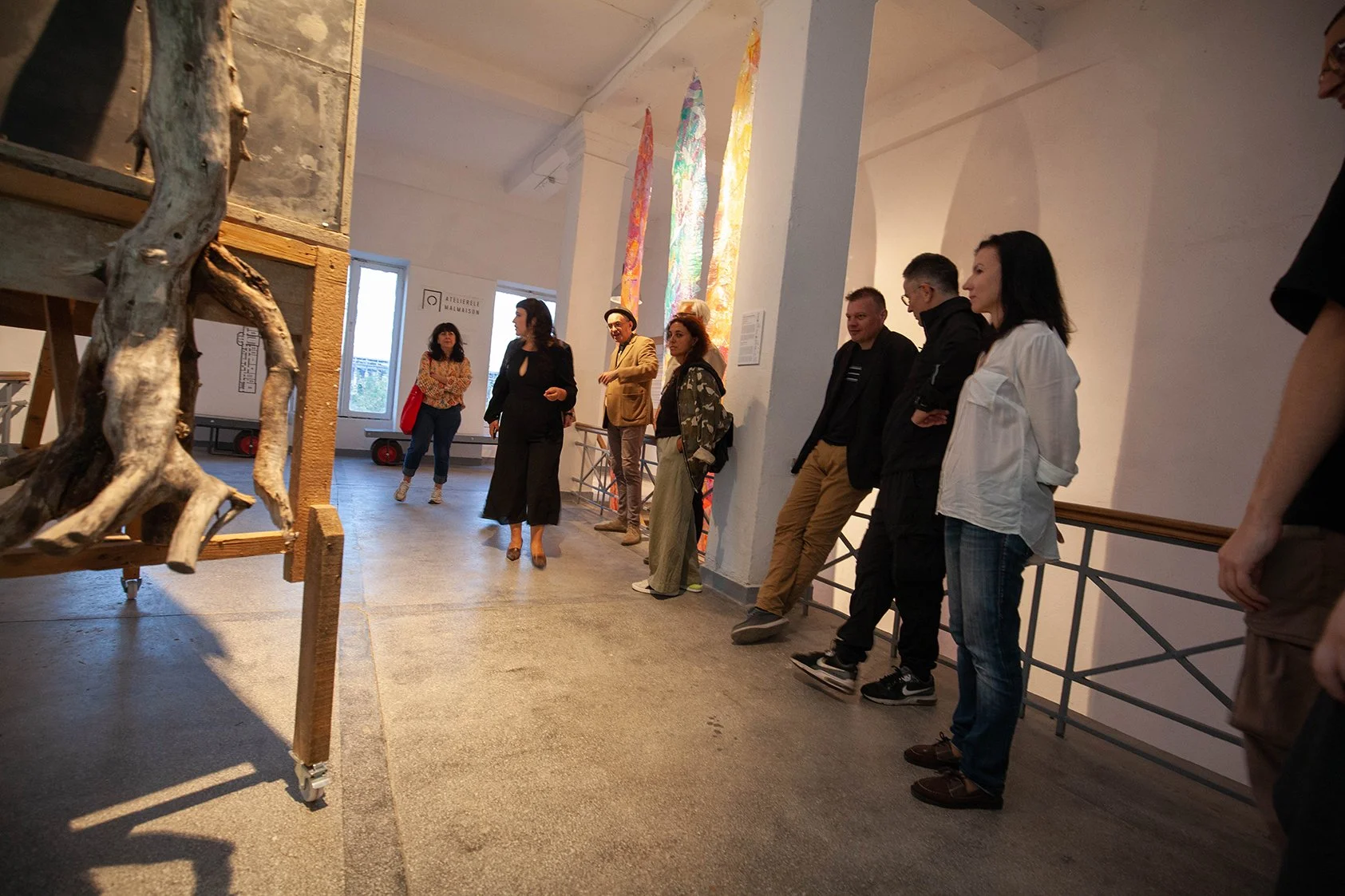
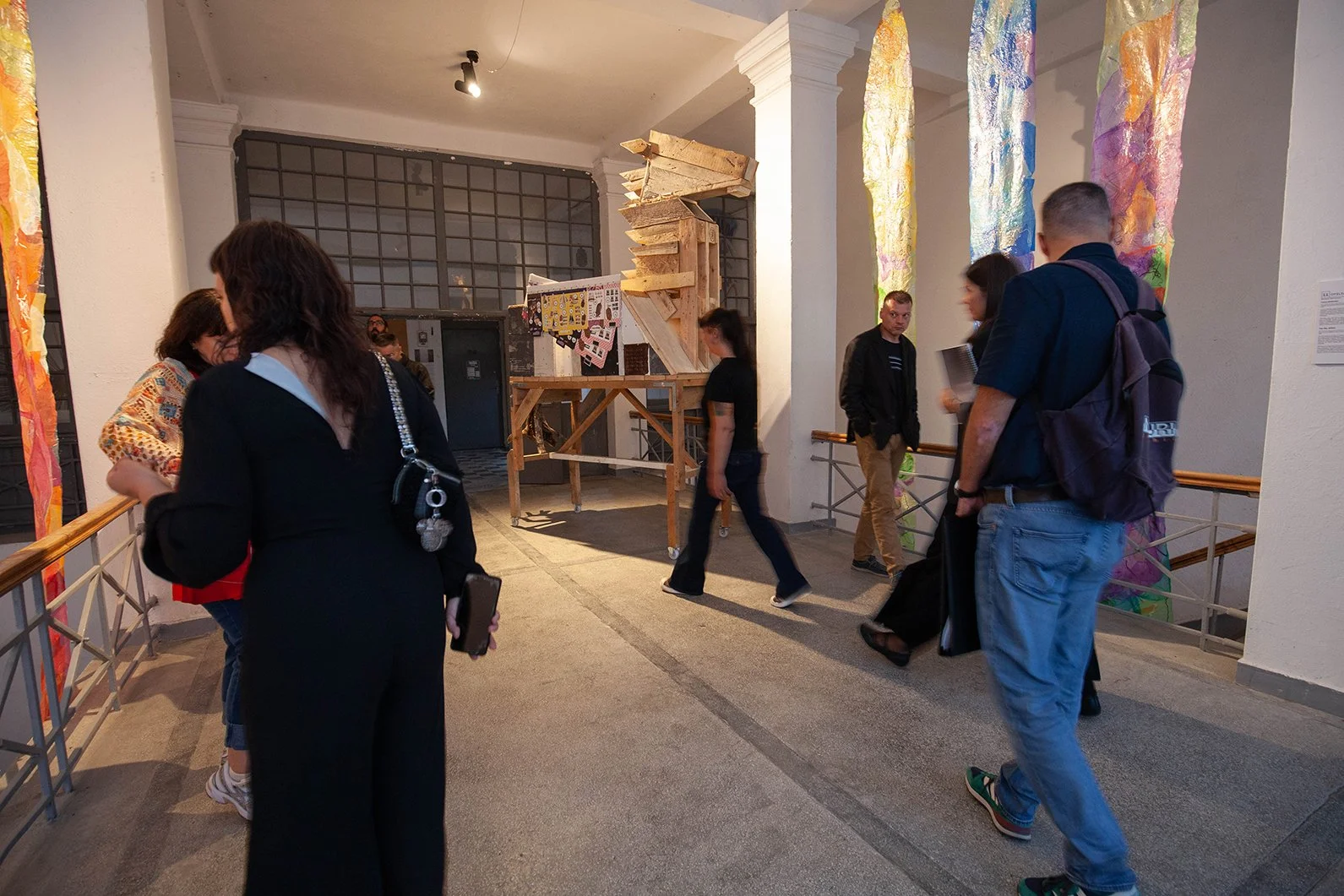
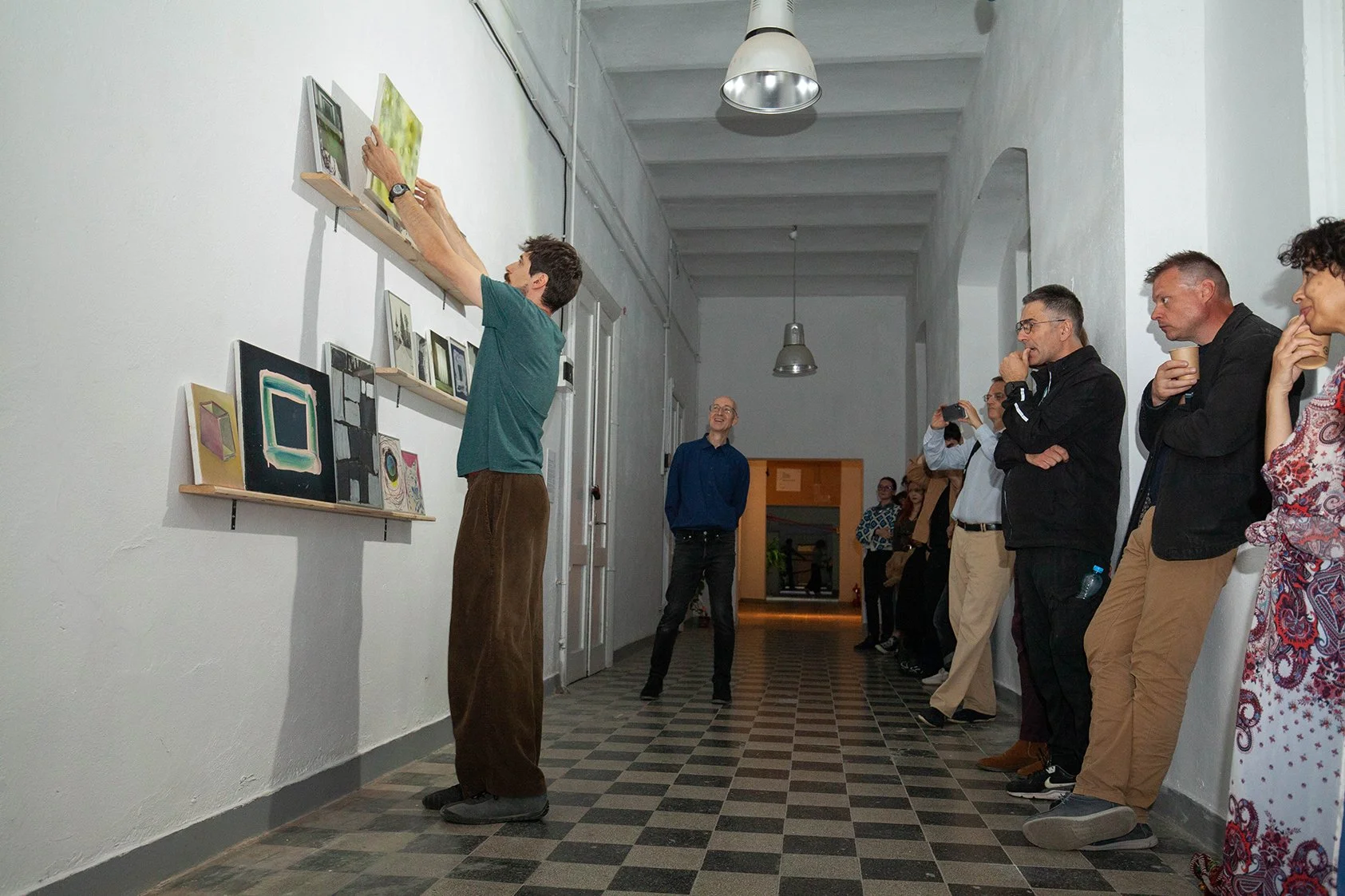
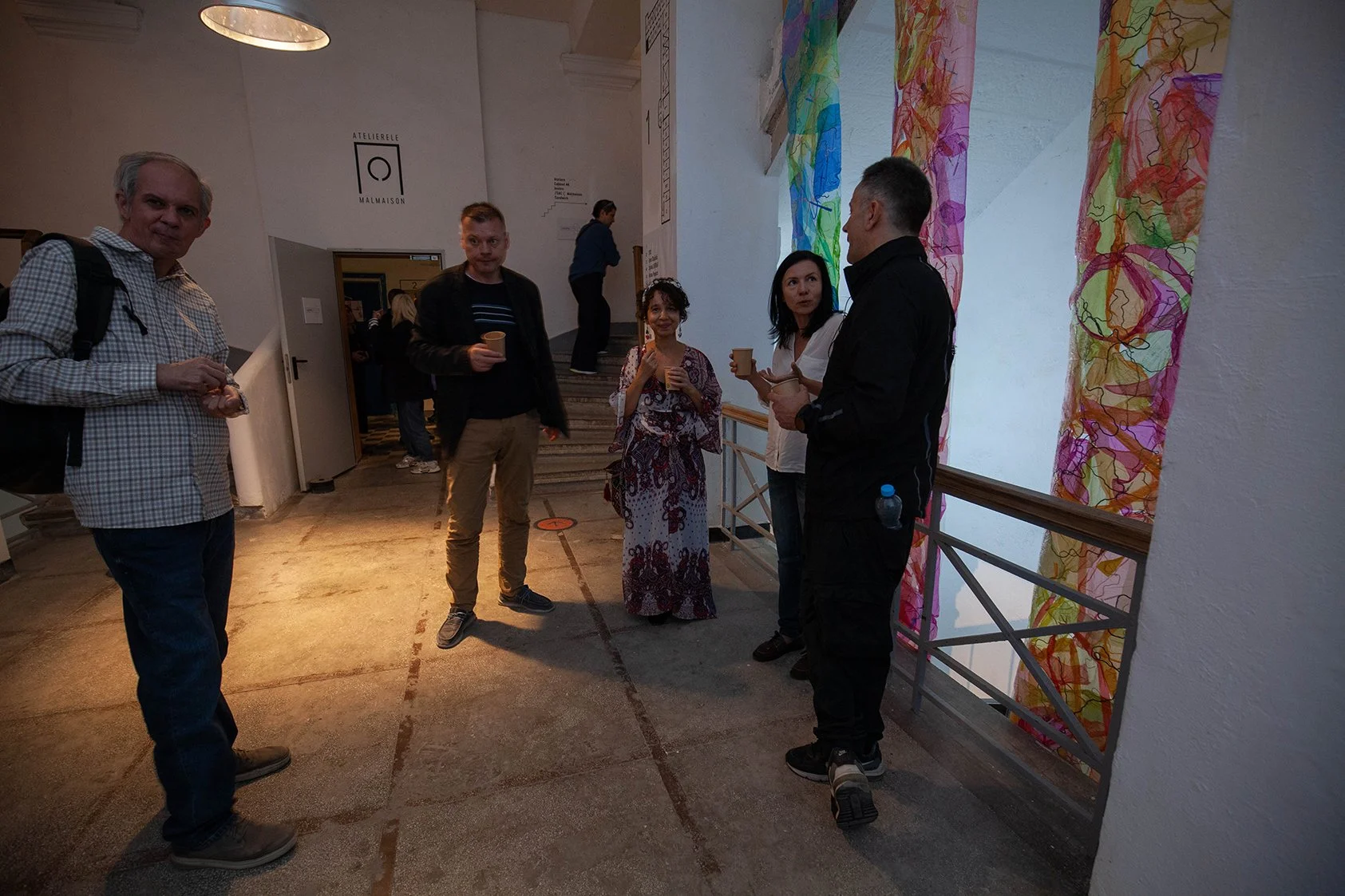
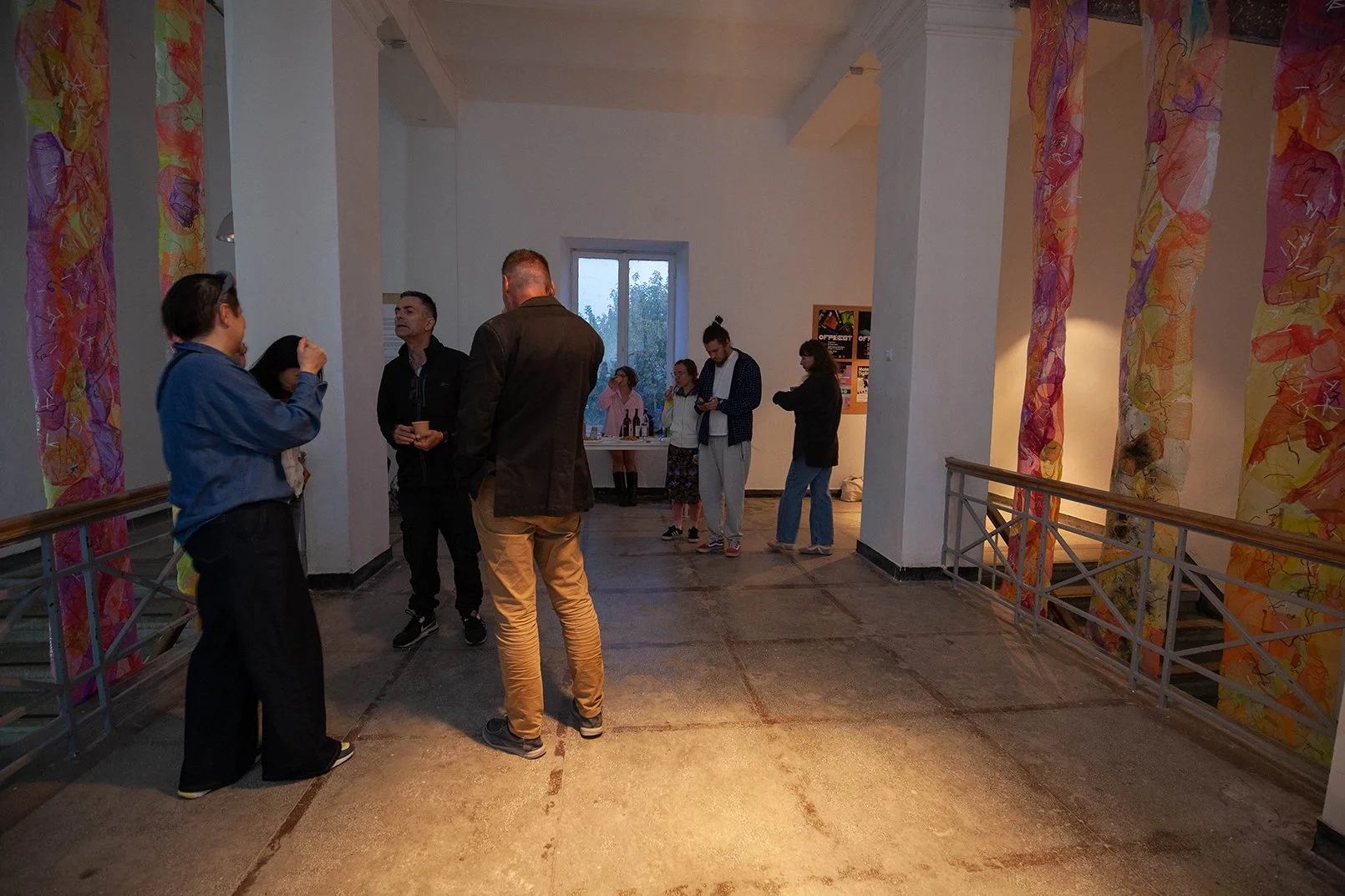
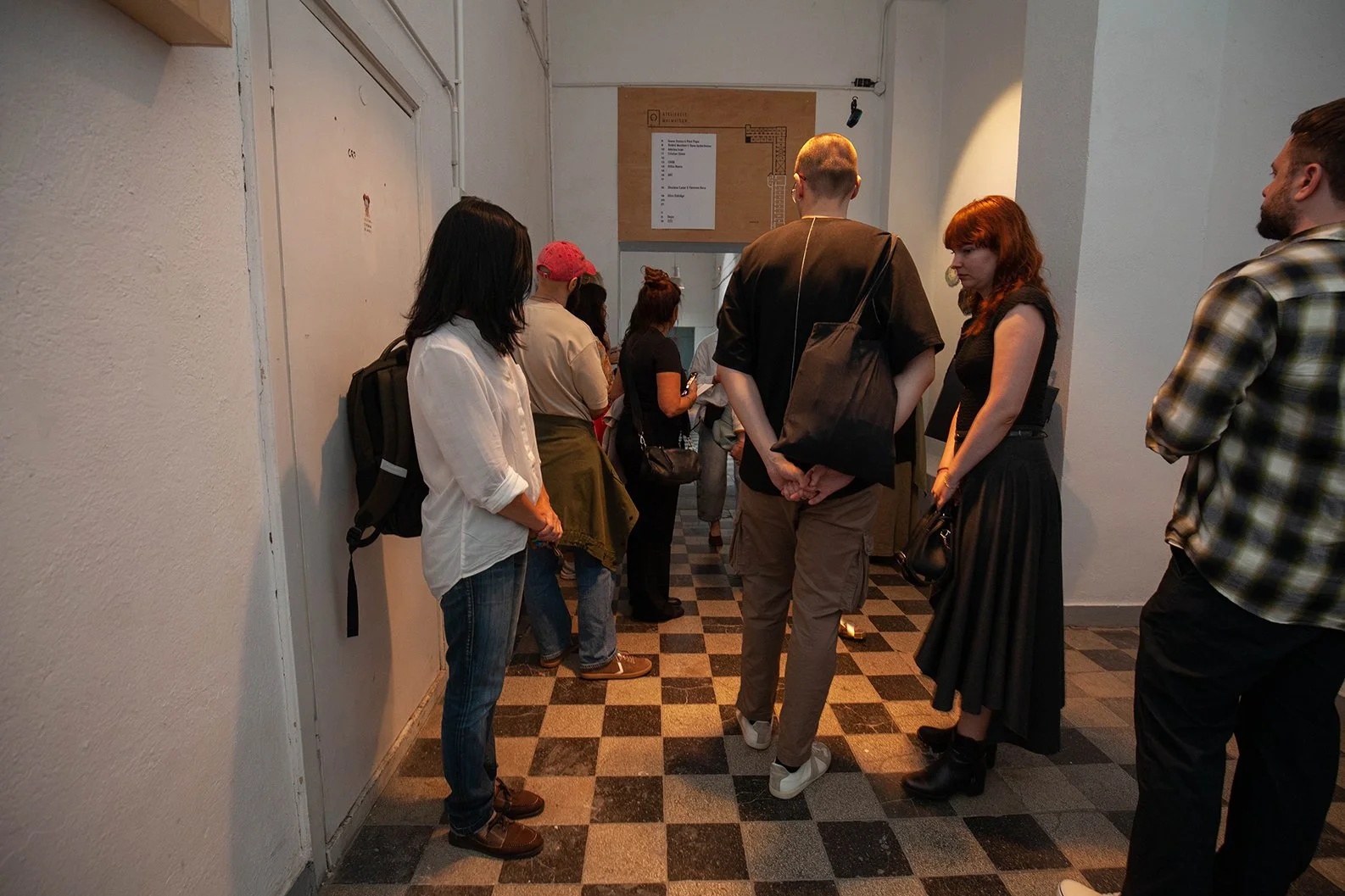
On October 10, 2026, I participated in A New Hope, an exhibition at Atelierele Malmaison in Bucharest, Romania, with my artwork Cobra File.
The exhibition title, A New Hope, evokes the possibility of renewal, resistance, and transformation in times of uncertainty. Within this context, Cobra File explores the relationship between collective memory, political repression, and the fragile boundaries between personal freedom and the mechanisms of power.
Cobra File — Memory, Repression, and the Traces of History
Cobra File is part of my ongoing artistic investigation into historical memory, trauma, and the ways in which systems of control attempt to silence individual voices.
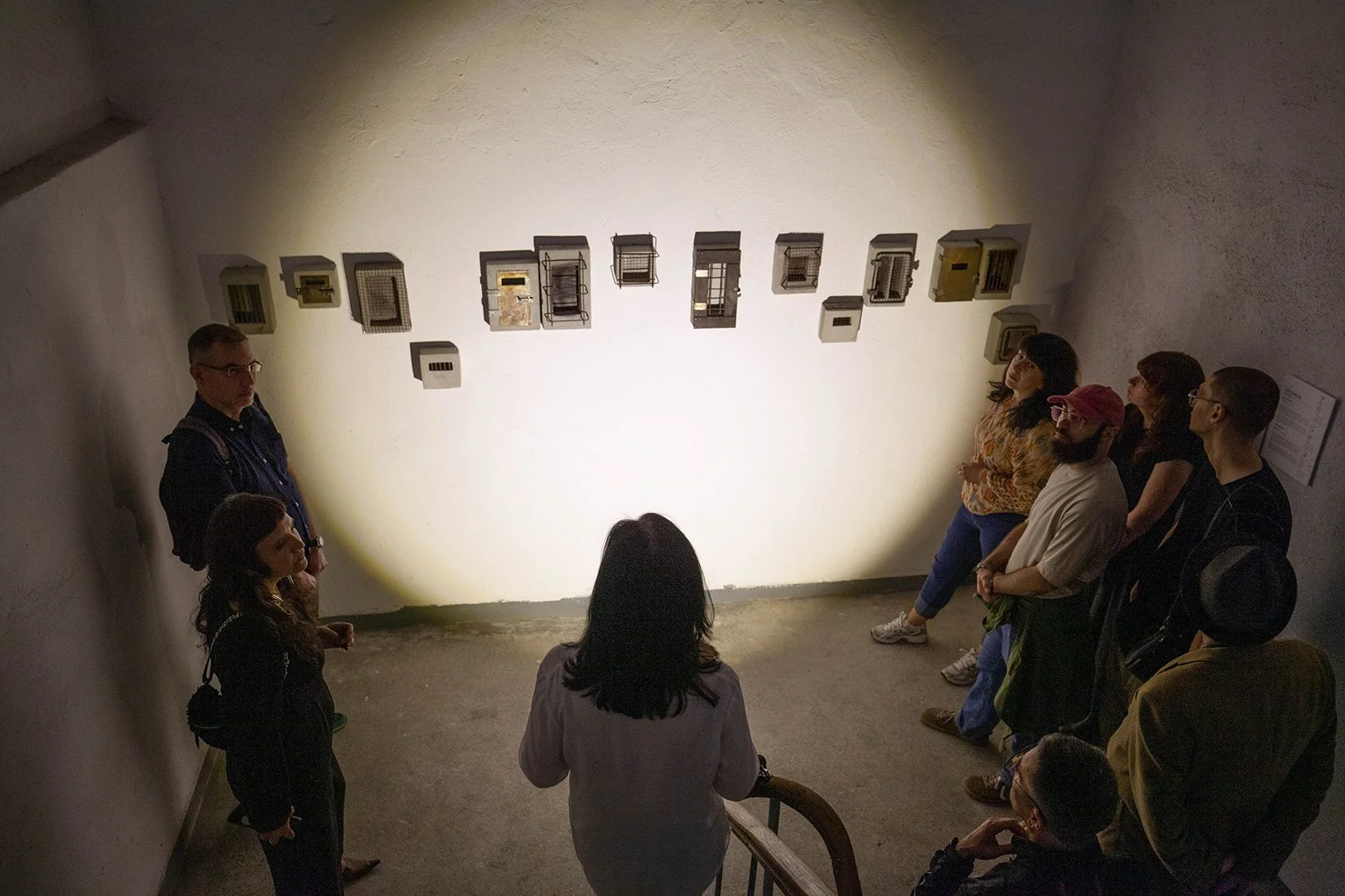
The project draws inspiration from the correspondence between Ecaterina Bălăcioiu and Monica Lovinescu, as well as the history of Malmaison, a former military site in Bucharest associated with political detention and repression during Romania's communist period.
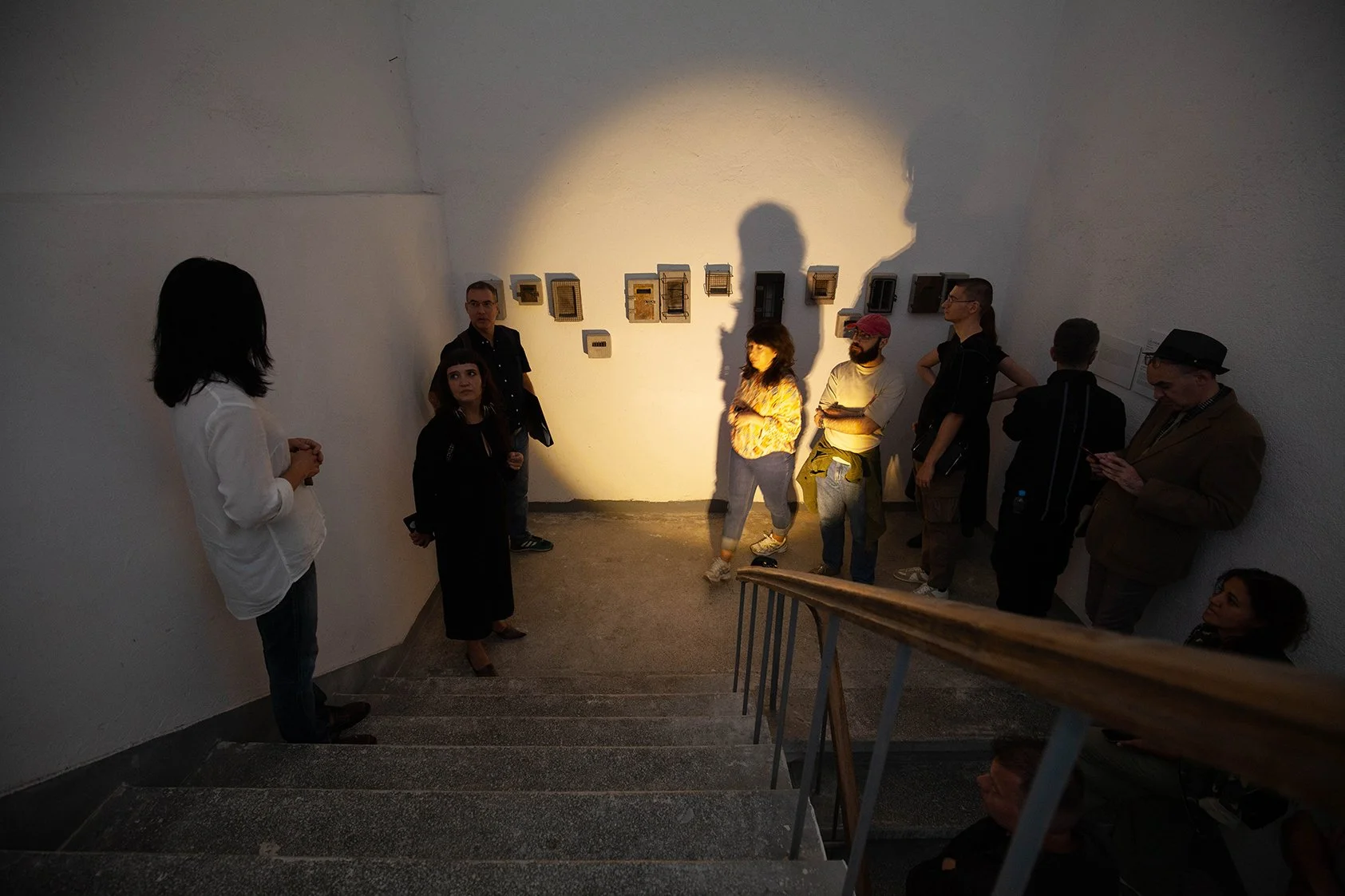
Through an installation built around cell-like structures and materials such as cement, wood, and iron, I explore the physical and psychological dimensions of confinement. Fragments of a final letter become traces of human presence within a space defined by surveillance, isolation, and the exercise of power.
The materials themselves carry meaning. Cement suggests permanence and the weight of institutional structures, while iron and grating evoke barriers, separation, and restriction. Against these solid forms, the written word becomes a fragile yet enduring act of resistance.
For me, Cobra File is not simply an attempt to reconstruct a historical reality. It is an inquiry into what remains when freedom is taken away, when personal stories are reduced to documents, and when human lives become entries in the archives of power.
What can a letter preserve when its author has been silenced? How does memory survive attempts to erase it? And what responsibility do we have towards the stories that history leaves behind?
These questions extend beyond a specific historical period, reminding us that freedom and dignity cannot be taken for granted.
Atelierele Malmaison — A Place Marked by History
Presenting Cobra File at Atelierele Malmaison carries particular significance because of the site's historical associations with detention and political repression.
Here, the relationship between artwork, architecture, and memory becomes especially important. The space is not merely a backdrop for the installation; it forms part of the work's conceptual framework, creating a dialogue between the physical traces of history and the stories that continue to resonate in the present.
The encounter between the site's past and its contemporary artistic life raises questions about how places change, how histories are remembered, and how spaces once associated with control can become places for artistic expression, dialogue, and critical reflection.
For me, engaging with these histories means acknowledging the people whose experiences might otherwise remain confined to archives, fragmented documents, or forgotten testimonies.
a New Hope — The Possibility of Remembering
Within a New Hope, Cobra File approaches hope not as the denial of suffering, but as the possibility of confronting the past and refusing to let its stories disappear.
Remembering is an active gesture. It allows suppressed voices to re-enter public consciousness and creates space for reflection, understanding, and responsibility. Art can contribute to this process by transforming historical traces into experiences that engage viewers emotionally and intellectually.
I believe that hope can emerge from the act of looking directly at difficult histories, recognising their consequences, and remaining attentive to the conditions that make repression possible.
By presenting Cobra File in this exhibition, I seek to create a space where memory becomes presence and where the fragile traces of individual lives challenge the apparent permanence of systems built to silence them.
Because sometimes, hope begins with the refusal to forget.