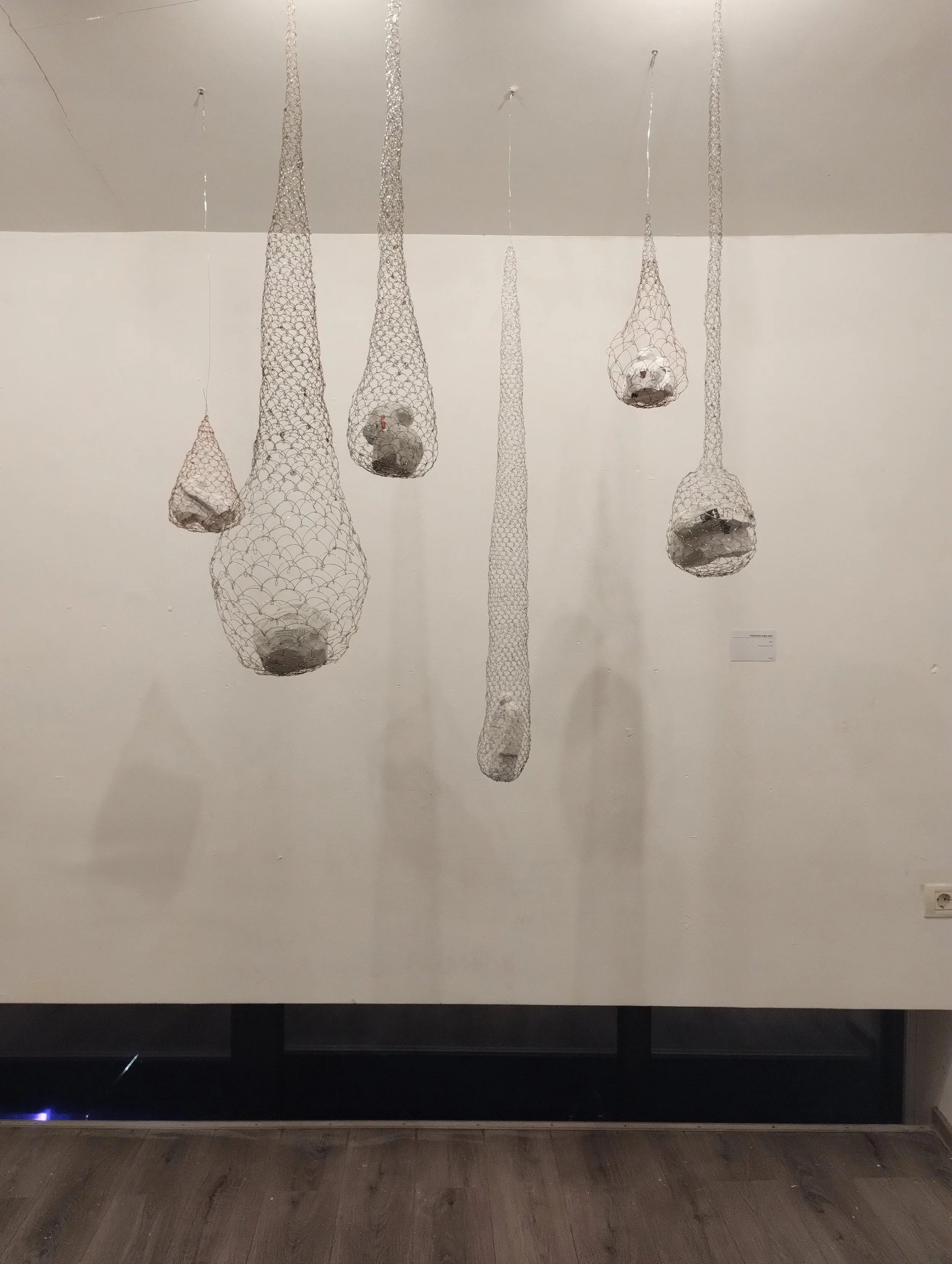
ID/entity: CHOB Explores Identity, Consumerism and Social Conformity Through Ultracontemporary Art
How much of who we are is truly our own choice? How much is shaped by the expectations, desires, and systems that surround us?
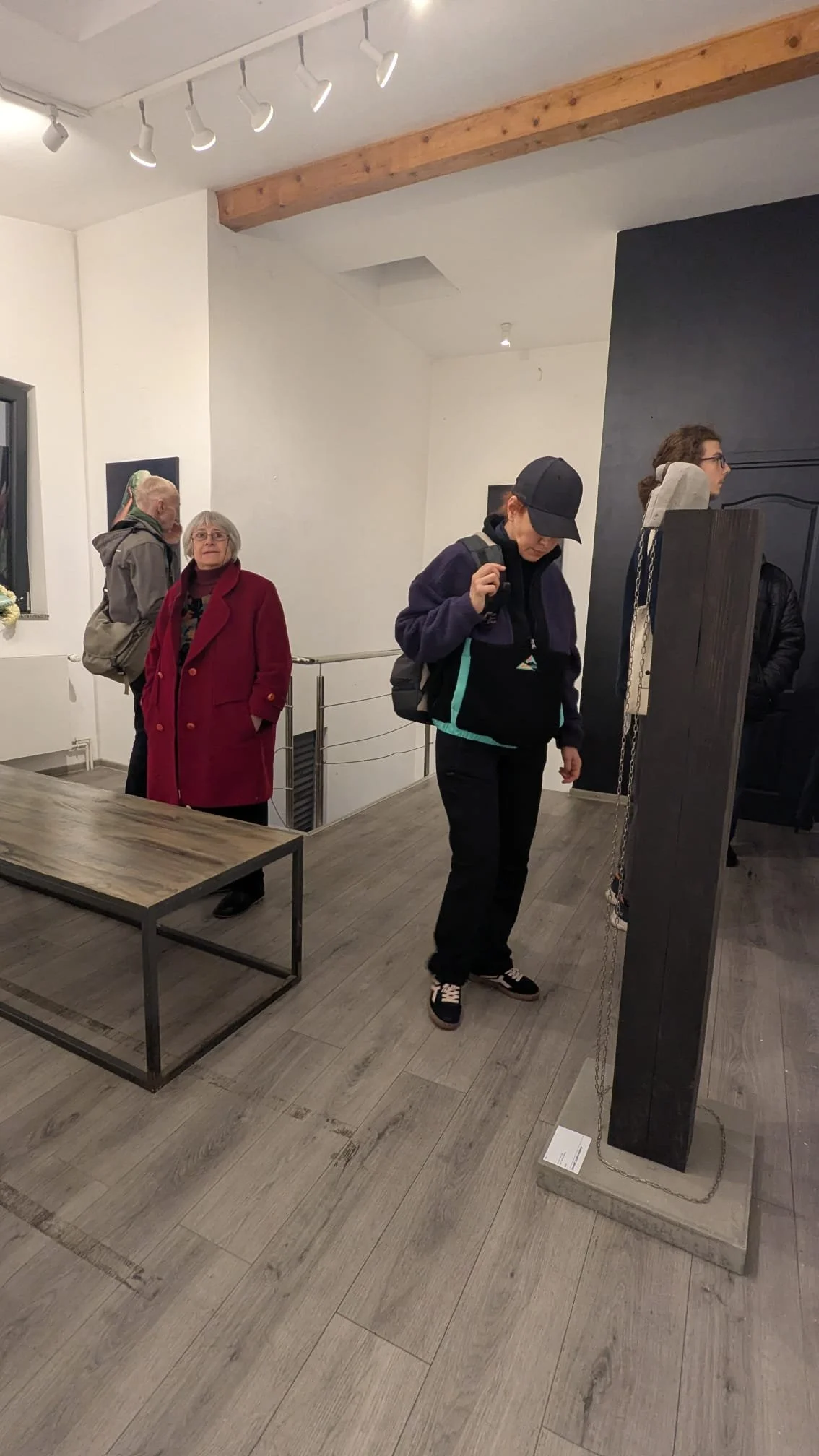
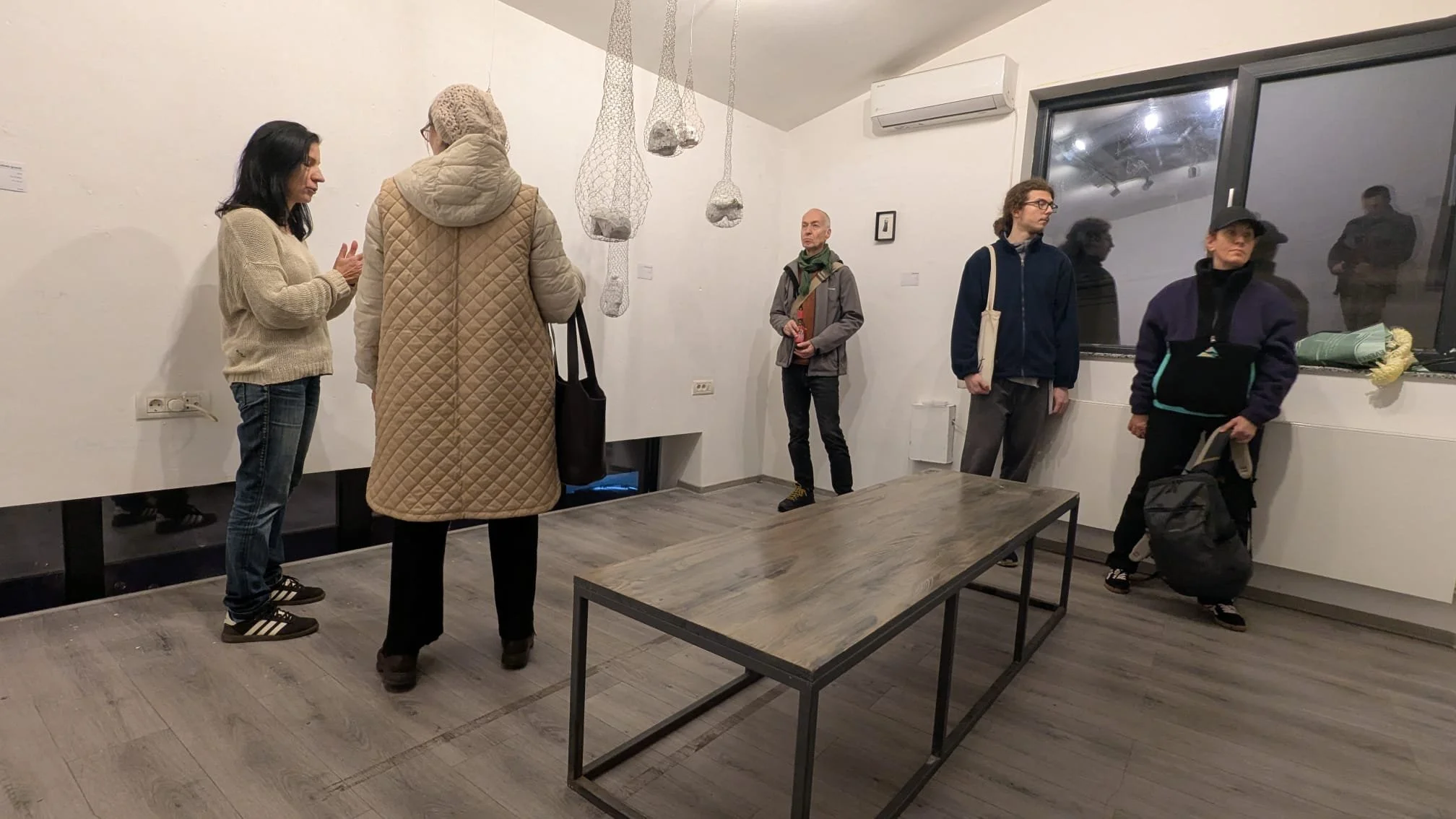
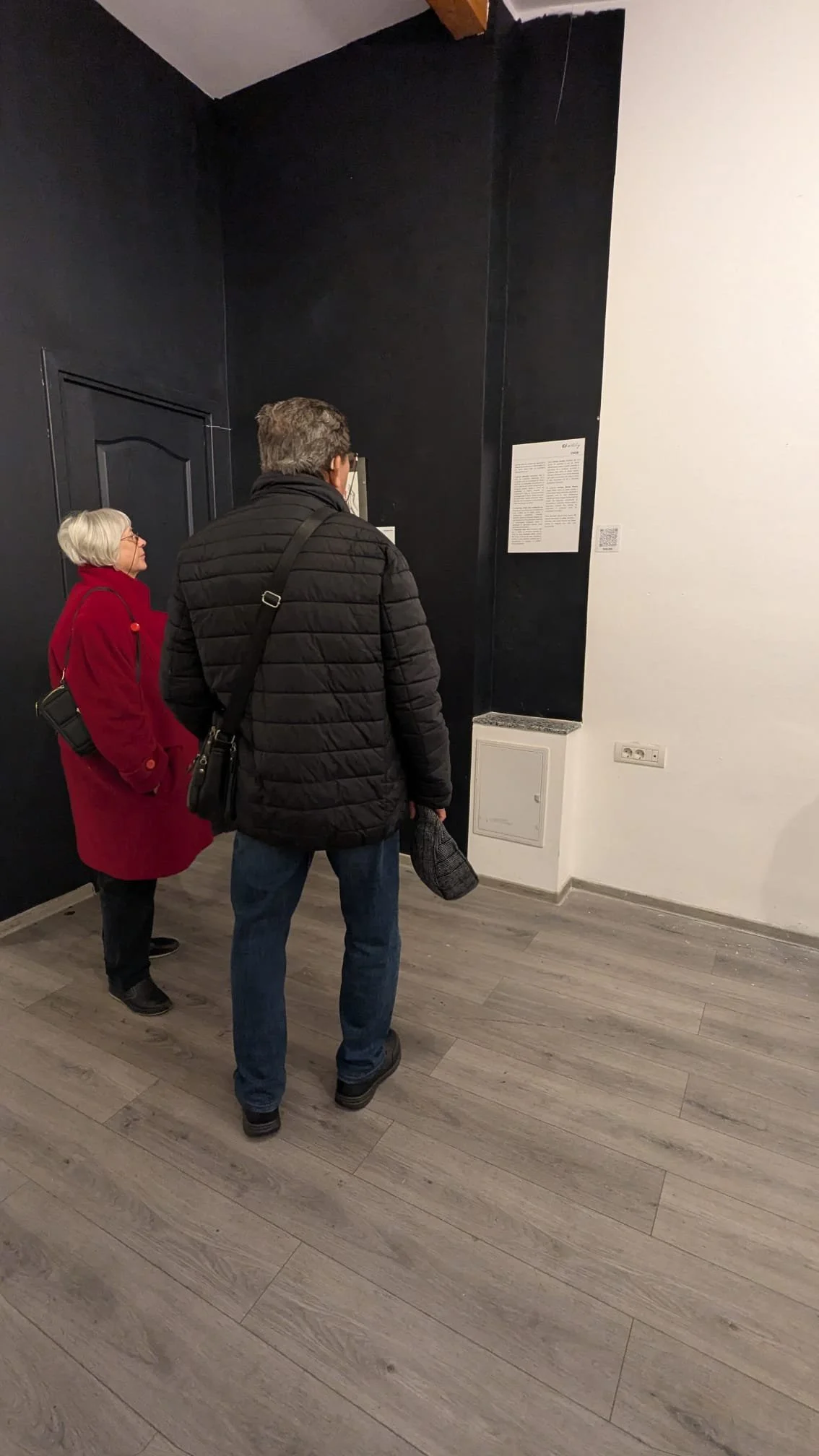
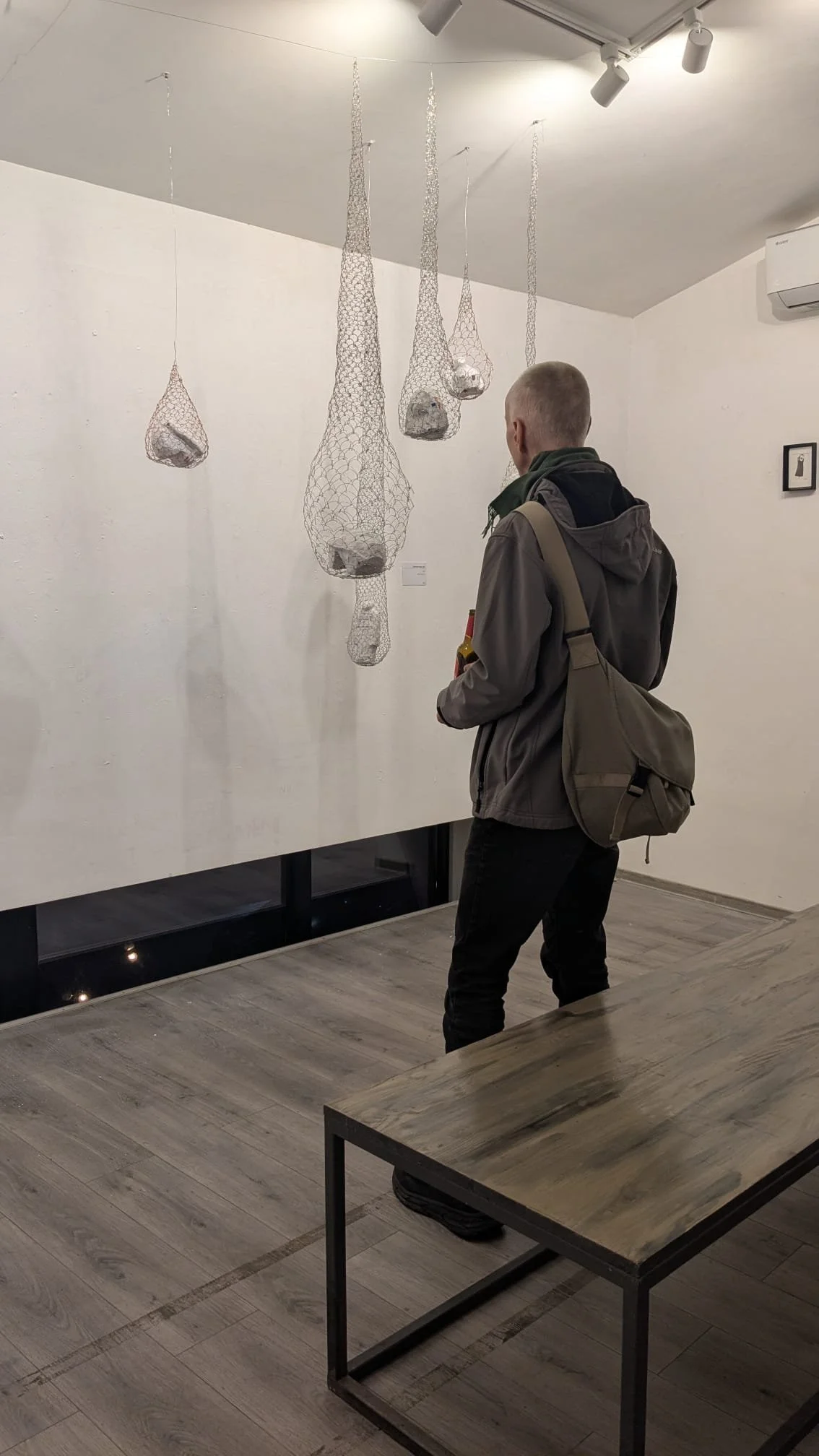
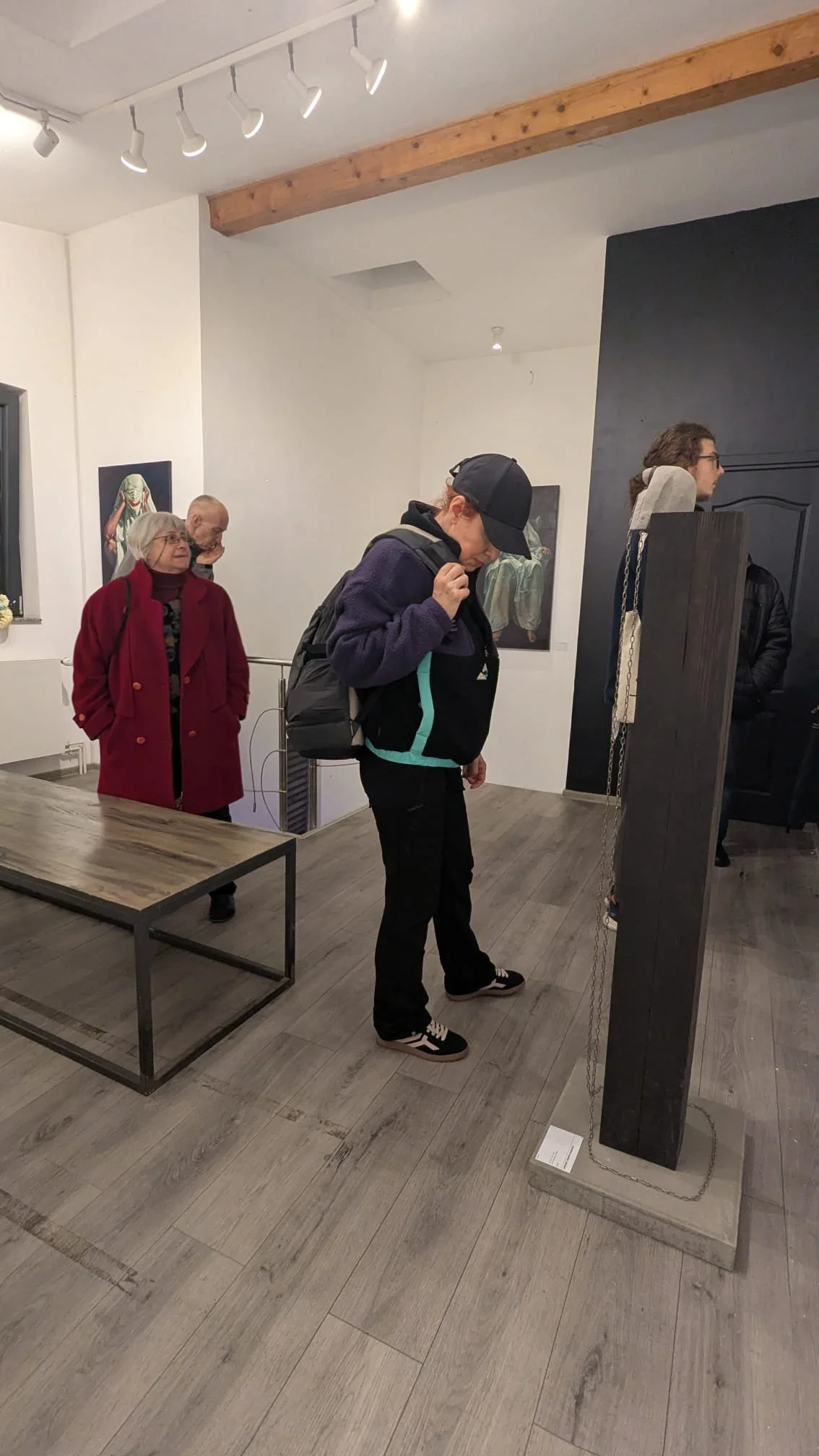
In ID/entity, her solo exhibition at Layer Gallery in Bucharest, Romanian contemporary artist CHOB (Olga Ciob) explores the fragile boundary between personal identity and the social structures that define us. Through painting, sculpture, installation, and collage, CHOB examines how we learn to perform, consume, conform, and present ourselves in a world where identity is increasingly translated into images, behaviours, and data.
The exhibition brings together a series of works that question the relationship between the individual and the systems through which they are recognised.
Identity as a Social Construction
In contemporary society, identity is rarely experienced as something entirely private. We are encouraged to display happiness, demonstrate success, consume, and maintain an image that others can understand and accept.
CHOB’s ID/entity investigates this process of self-construction. The exhibition considers how social expectations become internalised, shaping not only how we behave, but also what we desire. The individual is both the subject of these systems and an active participant in their reproduction.
The title combines ID, a sign of identification, with entity, the individual who exists beyond the information used to describe them. The slash between the two marks a space of tension: between the identity we experience and the identity we present, between personal choice and social conformity.
Performing Happiness: I Am Fine, Thank You! and Smile for me
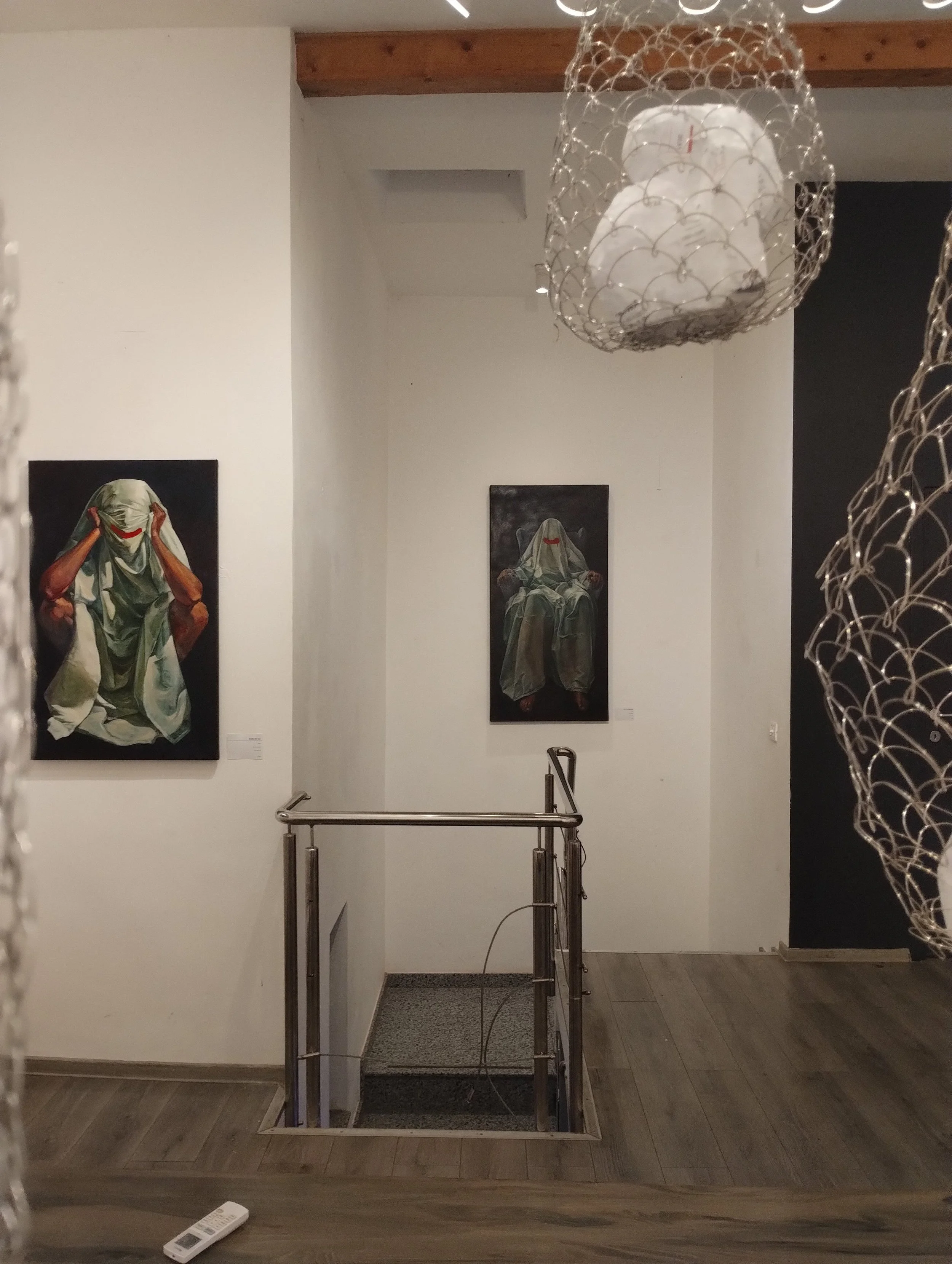
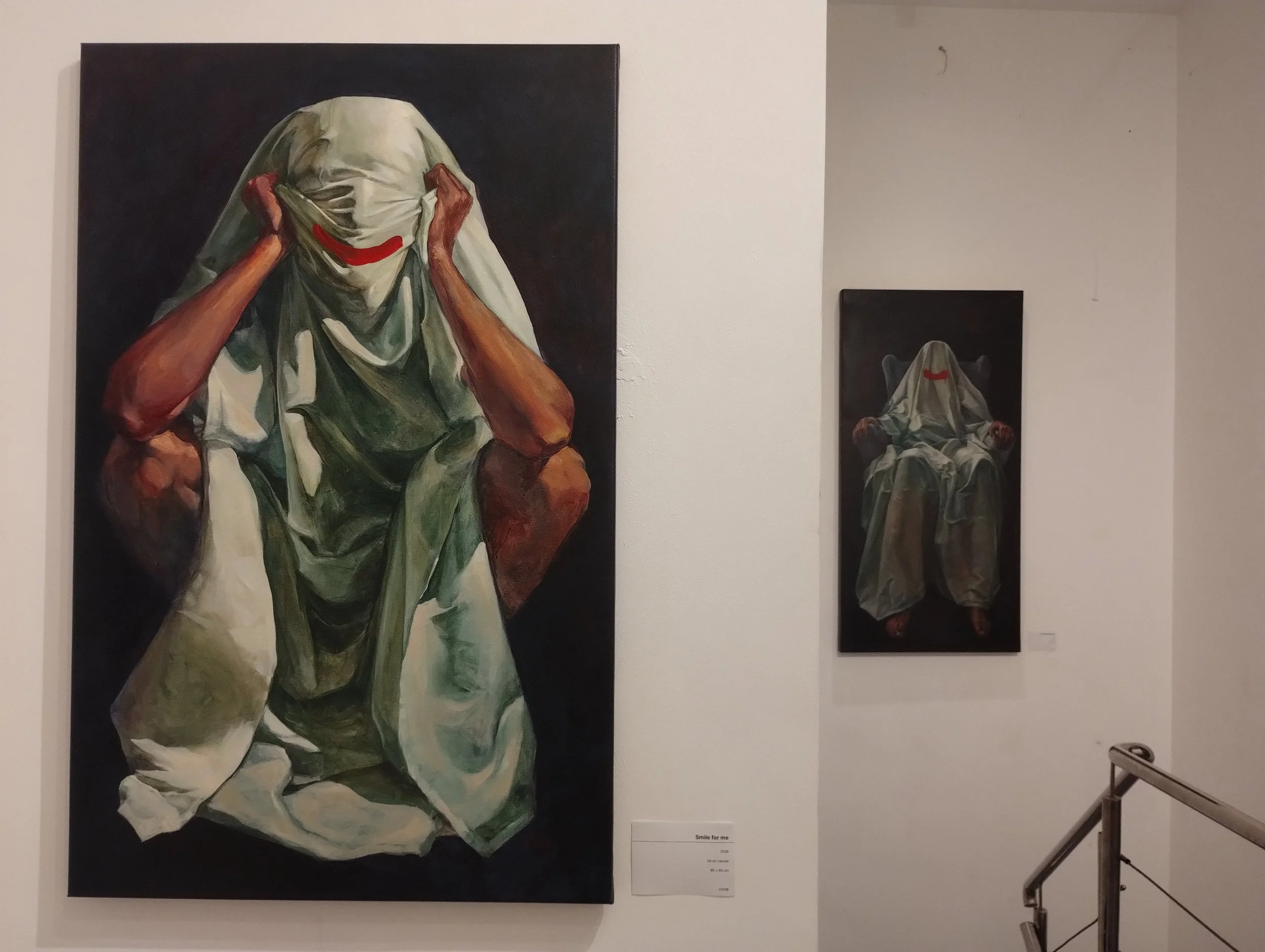
In I Am Fine, Thank You! and Smile for me, CHOB examines the social expectation to appear happy and satisfied.
The smile becomes more than an expression of emotion. It can function as a learned response, a form of adaptation, or a voluntary submission to the expectations of others. We may conceal discomfort and regulate our expressions in order to remain acceptable within a social environment.
These works question the emotional performance required by everyday life. When happiness becomes something we are expected to display, how much of that expression remains spontaneous? And when does the desire to be accepted begin to shape the way we experience ourselves?
Consumer Behaviour and the Construction of Value
The relationship between consumption and identity is central to Consumo, ergo sum. In a culture where possessions and purchasing choices can signal status and belonging, consumption becomes a way of communicating who we are.
The collage Exemplar client, created from receipts and invoices, explores how everyday commercial behaviour can be recorded, categorised, and transformed into recognisable patterns. The keywords embedded in the work evoke the language of consumer profiling, where individual preferences become data that can be interpreted and anticipated.
The consumer is no longer simply someone who makes a purchase. They become a behavioural profile — a set of habits and preferences that can be classified and used.
Who is the exemplary customer: the person who chooses freely, or the person whose behaviour responds perfectly to the systems designed to guide it?
Infinite Growth and the Pressure to Expand
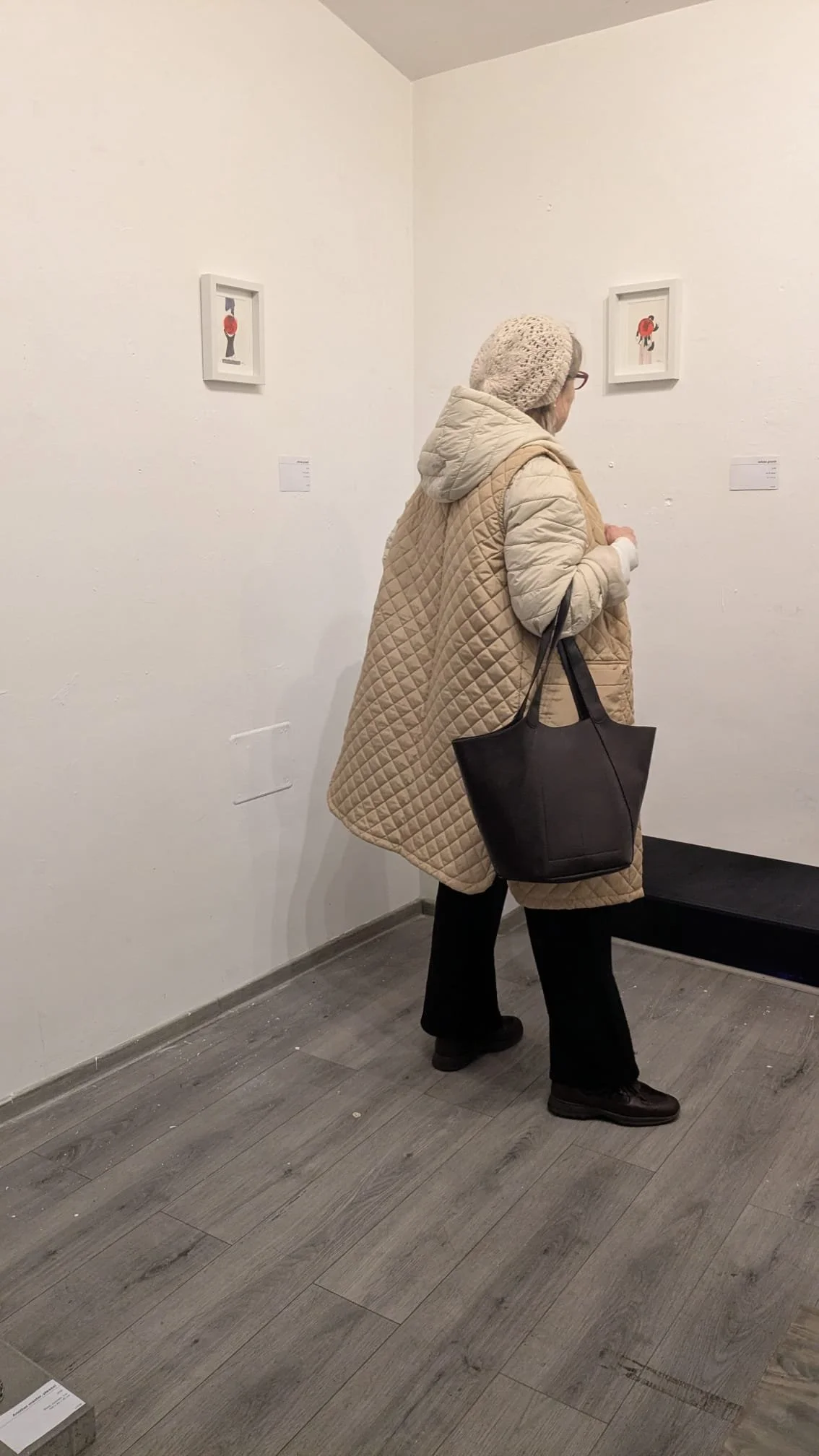
The series Infinite growth, consisting of two small-scale works made with watercolour and ink on paper, questions the contemporary ideal of limitless expansion.
Growth is often presented as an unquestionable measure of progress. Yet personal time, material resources, and human capacity are finite. The series invites viewers to consider the pressure to produce, accumulate, and continuously become more.
Through the contrast between the intimate scale of the works and the expansive idea expressed in their title, CHOB reflects on the limits of a system in which growth can become an end in itself.
Voluntary Submission: Another Master, Please
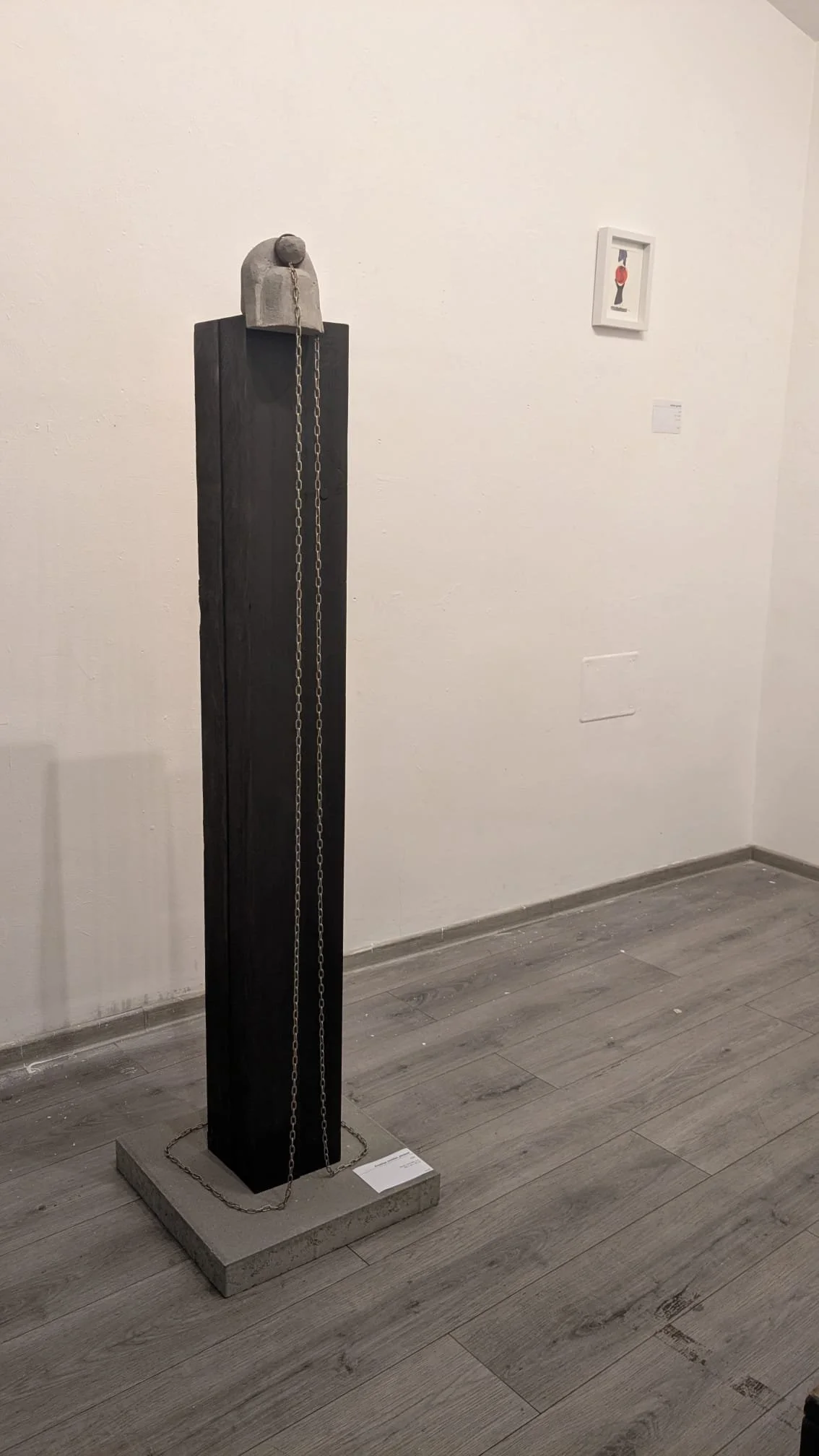
In the sculpture Another Master, Please, the relationship between the individual and power takes physical form.
The chained figure suggests a form of submission that is not necessarily imposed through visible force. It may also be sustained by the desire for security, belonging, or recognition. The work raises a question at the heart of the exhibition: can we willingly participate in systems that restrict our freedom?
Rather than presenting conformity as a purely external pressure, CHOB explores how it can become internalised — accepted, repeated, and eventually mistaken for personal desire.
Conceptual Art and the Question of Self-Definition
Through its diverse media, ID/entity brings together recurring concerns in CHOB’s ultracontemporary and conceptual art practice: identity, social expectation, consumerism, freedom, and the mechanisms through which individuals are defined.
The works do not propose a pure or untouched identity hidden behind social roles. Instead, they invite viewers to examine their own participation in the systems that shape them.
Perhaps the most subtle form of constraint is the one we come to confuse with our own desire.
How much of who we are remains a personal choice when we learn to desire what society expects of us?
Layer Gallery
Bucharest